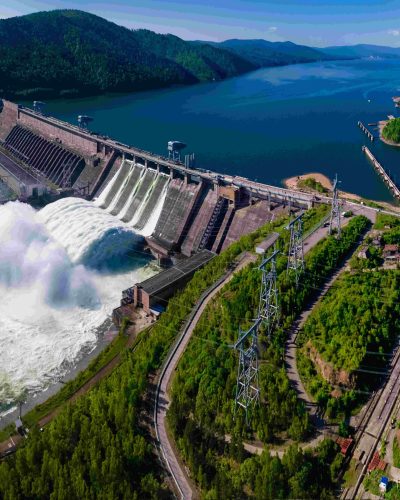
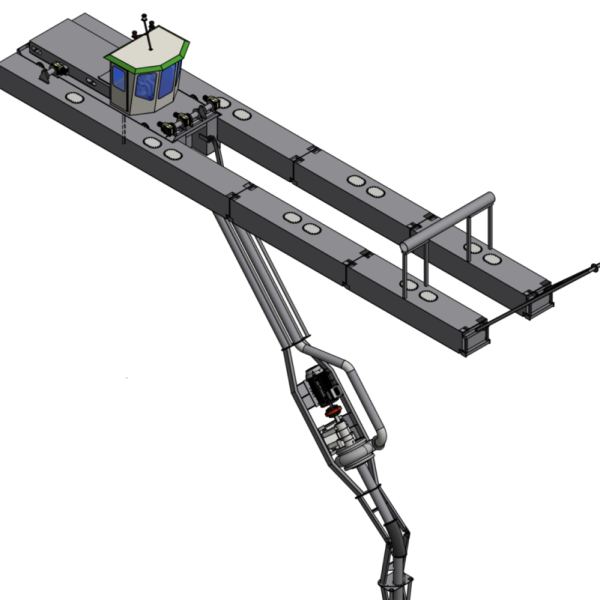
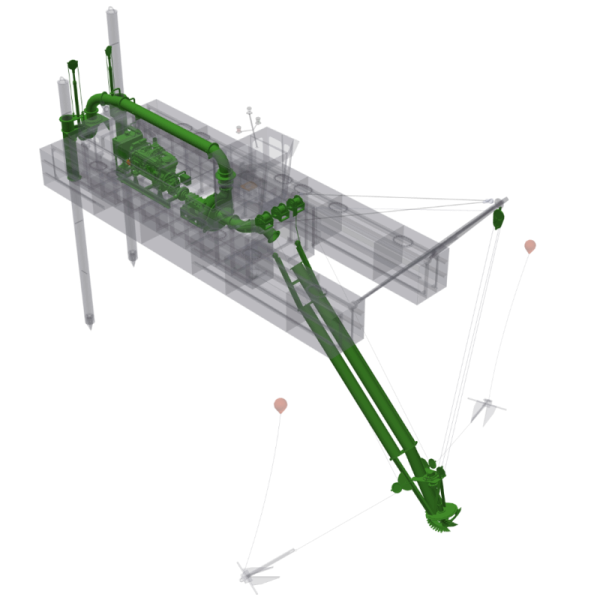
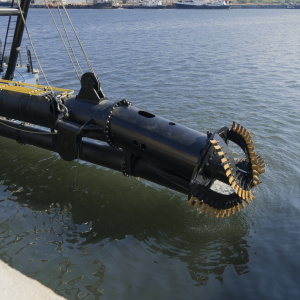
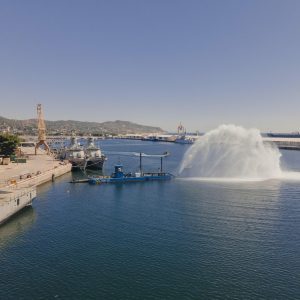
Hydroelectric dams are structures that use the power of falling or flowing water to generate electricity. Over time, sediment and other materials can accumulate in the reservoir behind the dam, reducing its capacity and affecting its ability to generate electricity. Dredging is one method that can be used to remove this accumulated material. Dredging involves the use of specialized equipment, such as excavators, dredgers, or suction pumps, to remove sediment and other materials from the reservoir. The dredged material is then transported away from the site and disposed of or used for other purposes. Dredging can help to restore the reservoir’s storage capacity and maintain the dam’s ability to generate electricity. However, it is important to carefully consider the potential environmental impacts of dredging, such as the disturbance of aquatic ecosystems, the release of contaminants, and the potential harm to fish and wildlife. Proper planning and management, including the use of best practices and mitigation measures, can help to minimize these impacts.